Solar explained
Victoria’s free power window: why your solar and battery design still matters
Free midday electricity can help, but it is not unlimited. Your solar, battery, household demand and full energy plan still need to work together.
Three hours of free electricity sounds like a simple answer to rising bills: charge the battery at lunchtime, use it at night and repeat.
For the right home, a free-power offer can be useful. But it cannot turn an unsuitable solar and battery system into a well-designed one.
Our approach is to design around your home first, then use the free window as a bonus. That means understanding the whole day, the whole year and the whole bill.
What Victoria’s free window actually offers
Victoria’s Midday Power Saver became available on 1 October 2026. Eligible households with a smart meter can opt in to an offer providing up to 24 kWh of no-cost electricity between 11 am and 2 pm each day. Electricity outside that window and daily supply charges still matter. The Victorian Government warns that households unable to shift enough usage may pay more than on another suitable offer. Read the Victorian Government’s explanation.
That is a particular regulated offer. Retailers also have their own market offers, which can have different hours, prices and conditions. A free window is not something every Victorian household automatically receives.
Free hours do not mean unlimited free energy
A free period has both a time boundary and, depending on the offer, usage conditions.
For example, ENGIE’s Midday Power Saver information specifies a 24 kWh daily cap during the free period, with usage above that cap charged at regulated rates. See ENGIE’s offer explanation.
Other policies work differently. OVO’s fair-use policy, updated on 3 September 2026, identifies routinely exceeding 24 kWh per day during the free window as outside fair use. It says excessive or unreasonable consumption can lead to the plan ending after written notice, with supply continuing under a standard retail contract. That is a different consequence from simply billing every extra unit at a peak rate. Read OVO’s fair-use policy.
Before switching, check your specific offer’s cap, how it is measured, the rate above it, battery-charging rules and what happens if fair-use conditions are breached. Do not assume every retailer has the same rules, or that excess usage is always charged at peak rates.
Battery size and charging speed are different things
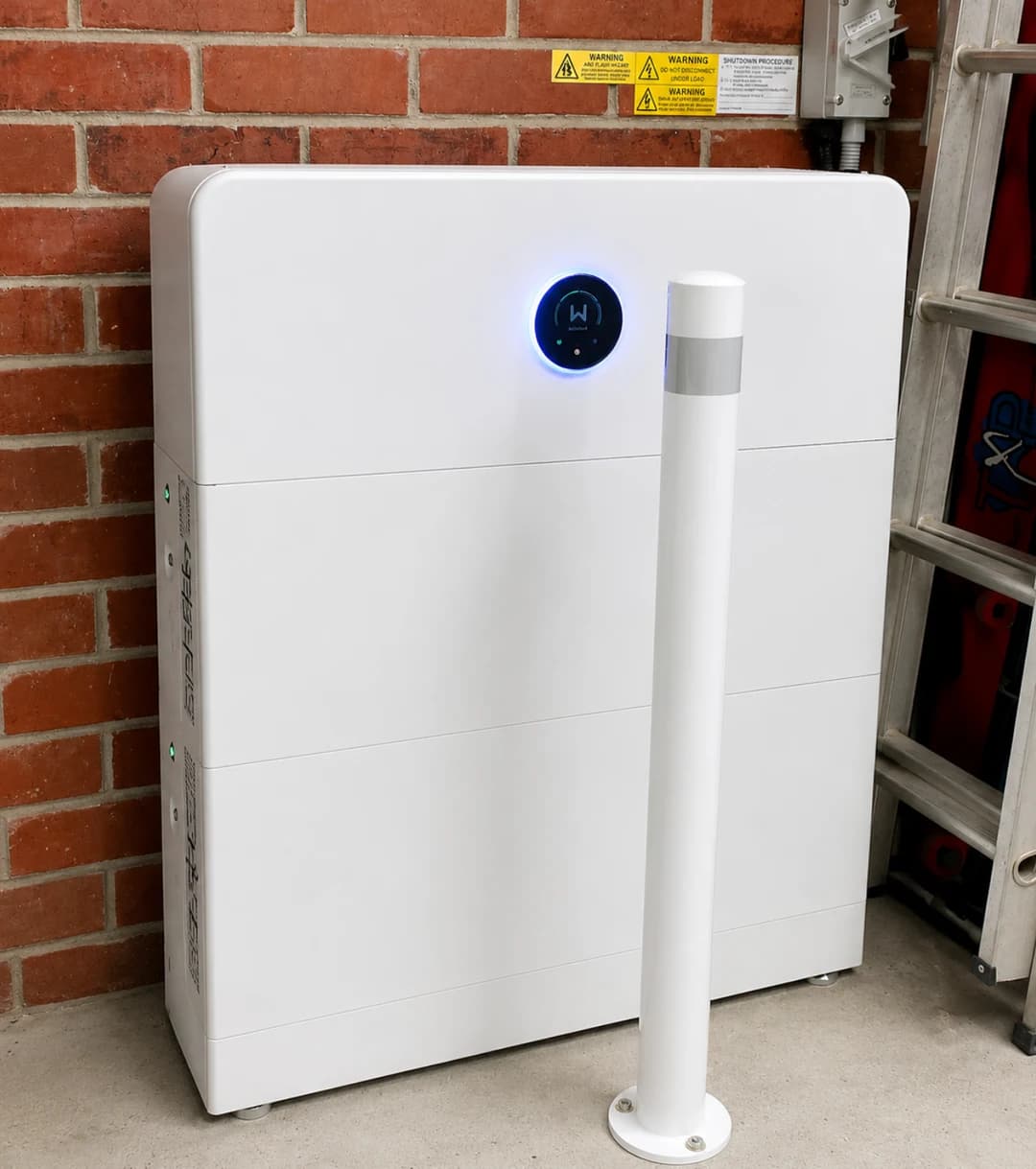
A battery’s capacity, measured in kilowatt-hours (kWh), tells you how much energy it can store. Its charge and discharge power, measured in kilowatts (kW), determines how quickly energy can move in or out. The inverter and system configuration also matter. The Australian Government’s battery guide explains capacity, power and suitability.
Here is a simplified example. A battery able to accept a steady 5 kW for three hours could receive at most 15 kWh over that period, before charging losses and other constraints. Buying 30 kWh of storage does not make it possible to add 30 kWh through that 5 kW charging path in three hours.
The available space in the battery, its state of charge, reserve settings and operating limits can reduce what it actually accepts.
The free allowance also is not reserved just for the battery. If your offer caps metered grid imports, charging the car, heating water and running household appliances can use the same allowance. Your own solar may cover some of those loads, so the relevant number is grid electricity measured by the meter.
Your solar still has a job to do
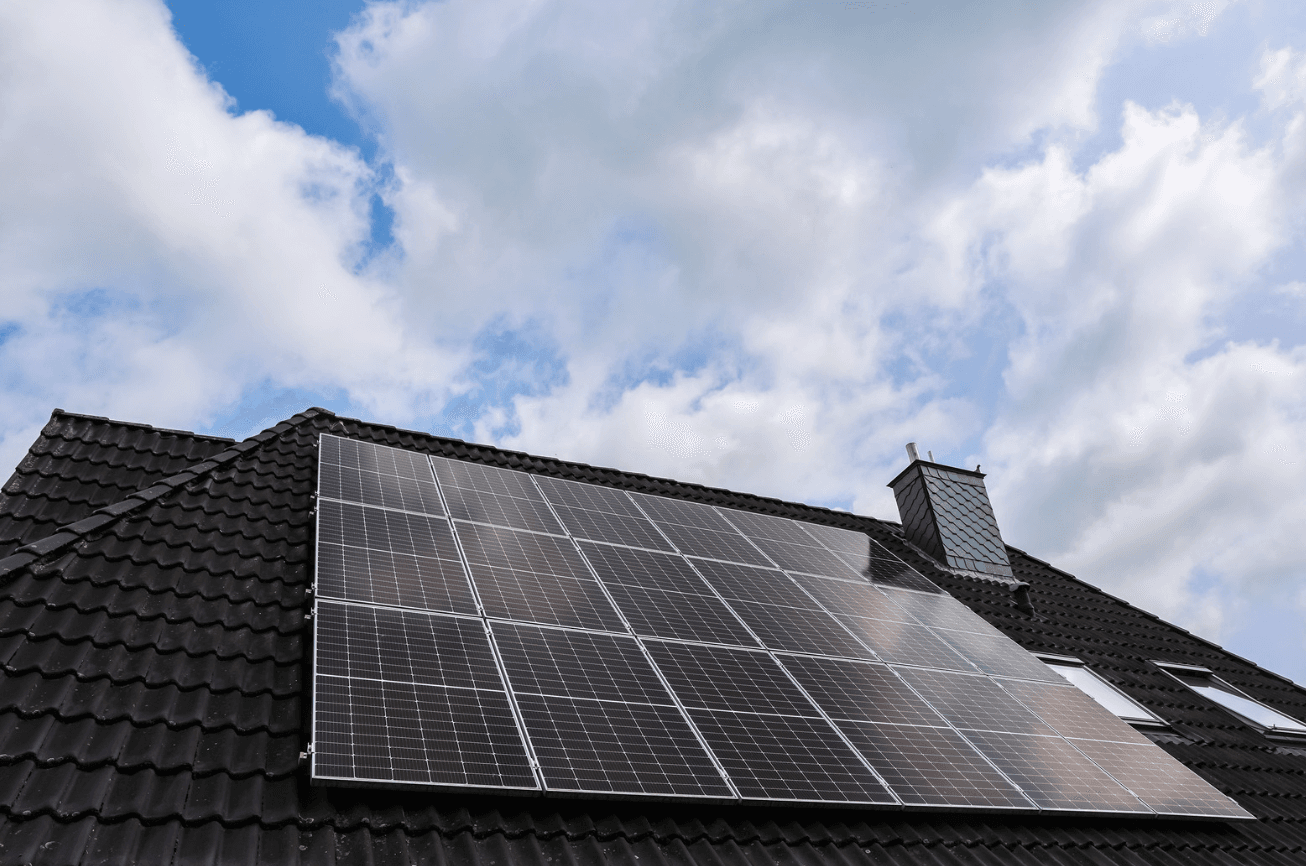
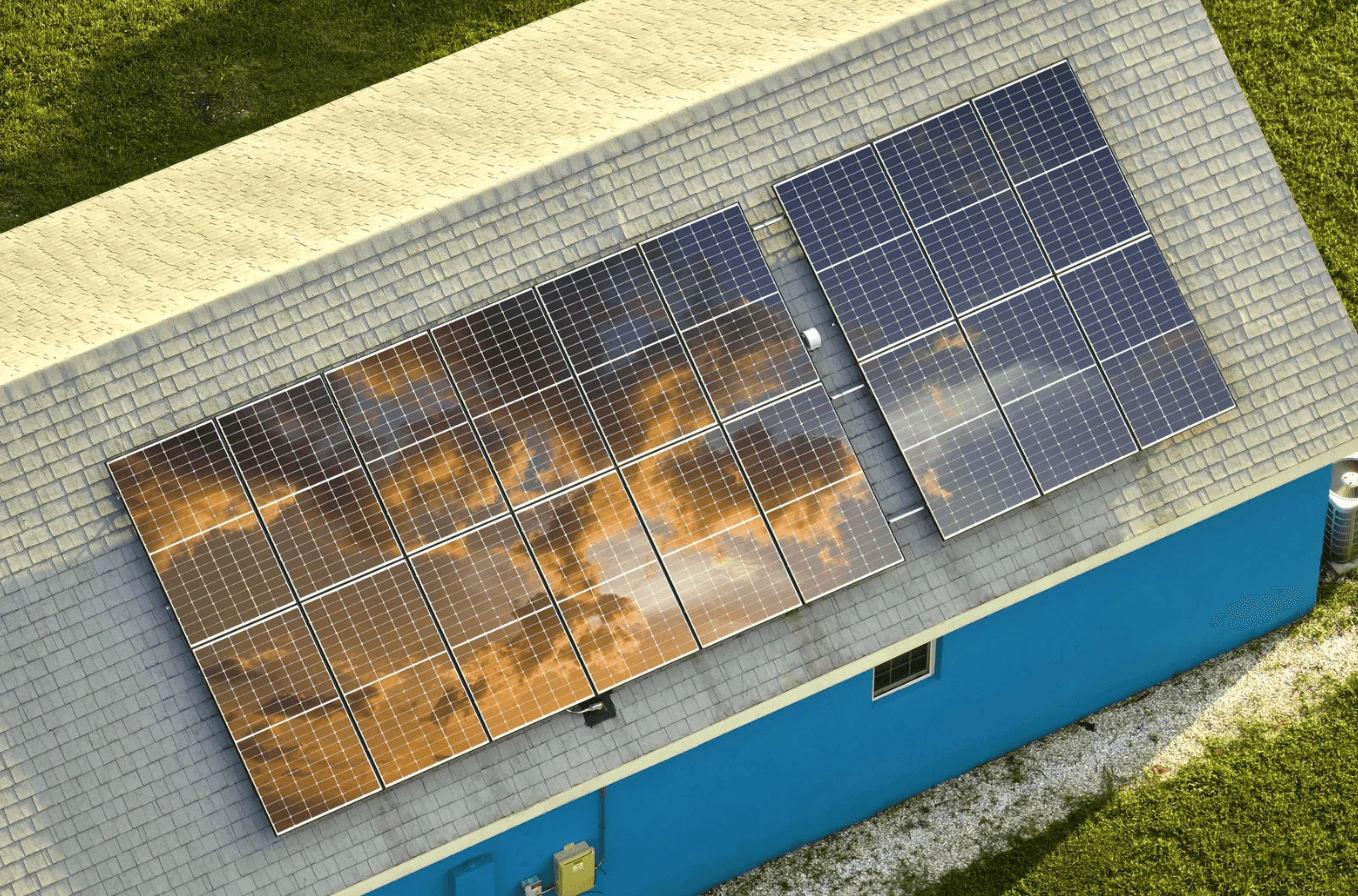
Solar can supply daytime household demand and charge the battery from surplus generation. Its contribution depends on roof space, orientation, shading, system performance, weather and the season.
A plan built around a sunny summer day can look very different during a Victorian winter. Heating demand may rise while solar generation falls. A larger battery does not create extra energy, and a small solar system may leave less surplus available to store.
On the other hand, filling a battery from the grid too early can leave less room for solar later. A useful charging strategy considers the weather forecast, expected household demand and available battery capacity, rather than charging to full simply because the clock reaches the free window.
Look at the whole bill
The right comparison is the estimated annual cost for your household, including system costs where you are considering a purchase.
Ask what happens after the free window closes. How much electricity will you still buy in the evening or overnight? What are the peak, off-peak and daily supply charges? Are there controlled-load charges, export conditions, fees or virtual power plant requirements?
For illustration only, saving 10 kWh at an otherwise payable 25 cents per kWh is worth $2.50. If another 10 kWh you still need costs 20 cents per kWh more on the new plan, that adds $2.00. The apparent $2.50 benefit becomes 50 cents before other differences.
Those are hypothetical figures, not a retailer quote or savings forecast. They show why a headline benefit needs to be tested against the rest of the bill.
Design the system, then optimise the window
A considered design starts with:
- Your interval meter data and bills, including seasonal differences.
- Your roof’s realistic solar generation and the energy used at home during the day.
- Battery usable capacity, charge and discharge limits, and any backup reserve.
- Evening heating, cooking, hot water and other major loads.
- EV charging and future changes to the household.
- Installation constraints, equipment compatibility and electrical supply limits.
- The full tariff, fair-use conditions and an alternative plan for comparison.
From there, compatible controls can schedule a sensible top-up during the free period. Load management can coordinate the battery, EV and appliances within the home’s electrical limits.
Review the results once the system is operating. Compare actual imports, battery use and bills across seasons, and revisit the settings when retailer terms or household needs change.
A useful bonus, built into a considered plan
Free midday electricity can strengthen a good household energy strategy. It may help top up storage on a low-solar day or shift suitable loads away from expensive hours.
It should not be used to promise unlimited electricity, zero bills or a guaranteed battery payback. Some homes may benefit without buying a battery at all. Others may be better served by a different tariff.
At Ready Set Solar, we believe the starting point is your home, your needs and a realistic view of how the system will perform. Then we can consider where a suitable free-power offer fits.
Design for the home. Use the free window well. Treat it as a bonus.
Talk to Ready Set Solar about your home energy setup, or explore our battery storage options.
Information checked on 29 October 2026. Retailer offers and conditions can change. Confirm the current energy fact sheet and terms for your address before switching. Examples are illustrative and do not guarantee savings.
A question about your own home?
Let’s talk it through