Solar explained
kW vs kWh: Why Your Solar System’s ‘Size’ Is Less Important Than You Think
Two similar-looking terms. Two different jobs. A clearer way to think about system size, energy use and what those numbers mean for your home.
If you’ve spoken to more than one person about solar, there’s a good chance you’ve heard the terms kW and kWh thrown around like you’re expected to already know what they mean.
They look similar.
They sound similar.
They are absolutely not the same thing.
And confusing the two is one of the fastest ways to end up with a system that looks impressive, sounds impressive, and still somehow leaves you with bills you didn’t expect.
This isn’t a small technical detail. It affects how your system is designed, how it performs day to day, and whether it actually saves you money in real life – not just on a quote.
So let’s clear it up properly.
The Single Mistake That Causes Solar Disappointment
Most solar conversations focus heavily on system size.
“6.6kW system.”
“10kW system.”
“Bigger system = bigger savings.”
It sounds logical. Bigger number, better outcome. Unfortunately, energy doesn’t work like that.
Because while kW describes how big your system is, kWh describes what actually shows up on your electricity bill.
One is potential.
The other is the result.
And your power company only cares about one of them.
What kW Actually Means (And Why It’s Misunderstood)
kW (kilowatts) is a measure of power. In solar terms, it describes the maximum output your system can produce at any single moment under ideal conditions.
When someone says,
“You’re getting a 6.6kW system,”
they’re talking about the system’s theoretical peak, assuming:
- perfect sunlight
- ideal panel angles
- no shade
- friendly weather
- the sun showing up on time and behaving itself
Which is… optimistic.
Real systems don’t operate at peak output all day. They ramp up in the morning, peak briefly around midday, then taper off in the afternoon. Clouds, shade, and seasonal changes all play a part.
This doesn’t mean anything is wrong.
It just means kW is not a promise of performance
Think Of kW As Speed, Not Distance
An easy way to understand kW is to think of it like speed.
kW tells you how fast energy can be produced at a moment in time.
It does not tell you how much energy you actually get over the day.
A system doesn’t sit there producing “6.6kW all day” any more than a car drives at top speed for your entire commute. It might briefly hit that number, but it spends most of its time doing something more realistic.
Which brings us to the number that actually matters.
What kWh Is (And Why Your Bill Is Obsessed With It)
kWh (kilowatt‑hours) measures energy over time.
This is the unit your electricity bill uses. Every line item. Every charge. Every painful total at the bottom of the page.
If you run a 2kW appliance for 3 hours, you’ve used 6kWh.
That’s it. That’s what you pay for.
No one charges you for potential.
Why kWh Determines Your Savings (Not kW)
Here’s where expectations usually fall apart.
A system can have a large kW number and still deliver underwhelming savings if the kWh it produces doesn’t line up with how and when your household uses power.
If most of your solar is produced when:
- nobody’s home, and
- appliances are off,
that energy gets exported to the grid for a fairly underwhelming return.
Later, when you actually need power – evenings, cooking, heating, everything happening at once, you buy electricity back at a much higher rate.
Same system. Same cost. Very different outcome.
kW vs kWh (The Explanation Everyone Should Give Upfront)
If we’re stripping this down properly:
- kW = how big your system sounds
- kWh = how much energy it actually gives you
Or put another way:
- kW is potential
- kWh is performance
Or, even more honestly:
- kW is the gym membership
- kWh is actually showing up
And unfortunately, your electricity bill doesn’t care about intentions.
Two Homes. Same System. Completely Different Outcome.
Let’s say two households install the same 6.6kW system.
Home A
- Uses power during the day
- Runs appliances while solar is generating
Home B
- Uses most power at night
- Treats solar like a decorative roof feature
Home A uses its own solar and reduces grid imports.
Home B exports most of its energy during the day, then buys power back later at higher prices.
Same system. Same production. Radically different savings. This is why system size alone tells you almost nothing.
Where System Sizing Usually Goes Wrong
Most underperforming systems aren’t broken. They’re just mismatched.
Common issues we see:
- Systems sized around a “big number” instead of real usage
- Very little day‑time consumption
- Heavy reliance on feed‑in tariffs to justify savings
- No consideration for future usage
- Panels placed for peak output instead of useful output
Bigger systems can produce more energy, but that doesn’t automatically translate to better financial results.
Selling low and buying high is not a winning strategy in solar or anywhere else.
What Actually Shapes Your Power Bill in 2026
Solar still works well in Australia. But it’s no longer a set‑and‑forget upgrade.
What really matters now is:
- total energy produced (kWh)
- how much of that energy you use yourself
- when that energy is used
- how it aligns with electricity pricing
In other words, it’s not about having solar. It’s about having solar that’s useful to your daily life.
Self -consumption Is Doing The Heavy Lifting
Self‑consumption is the portion of your solar energy you use directly in your home instead of exporting it to the grid.
This is where real savings come from.
Each kWh you use yourself might avoid paying 30–50 cents.
That same kWh exported might earn 2–6 cents.
Same energy. Very different value.
The more your usage lines up with production, the better your outcome.
Why Timing Matters More Than Production
In today’s pricing environment, exporting solar and buying it back later is usually a losing trade.
The goal is no longer to generate the maximum amount of energy possible.
The goal is to use as much of your own energy as possible.
That’s the shift many solar conversations still haven’t caught up to.
Where Batteries Fit Into The Picture
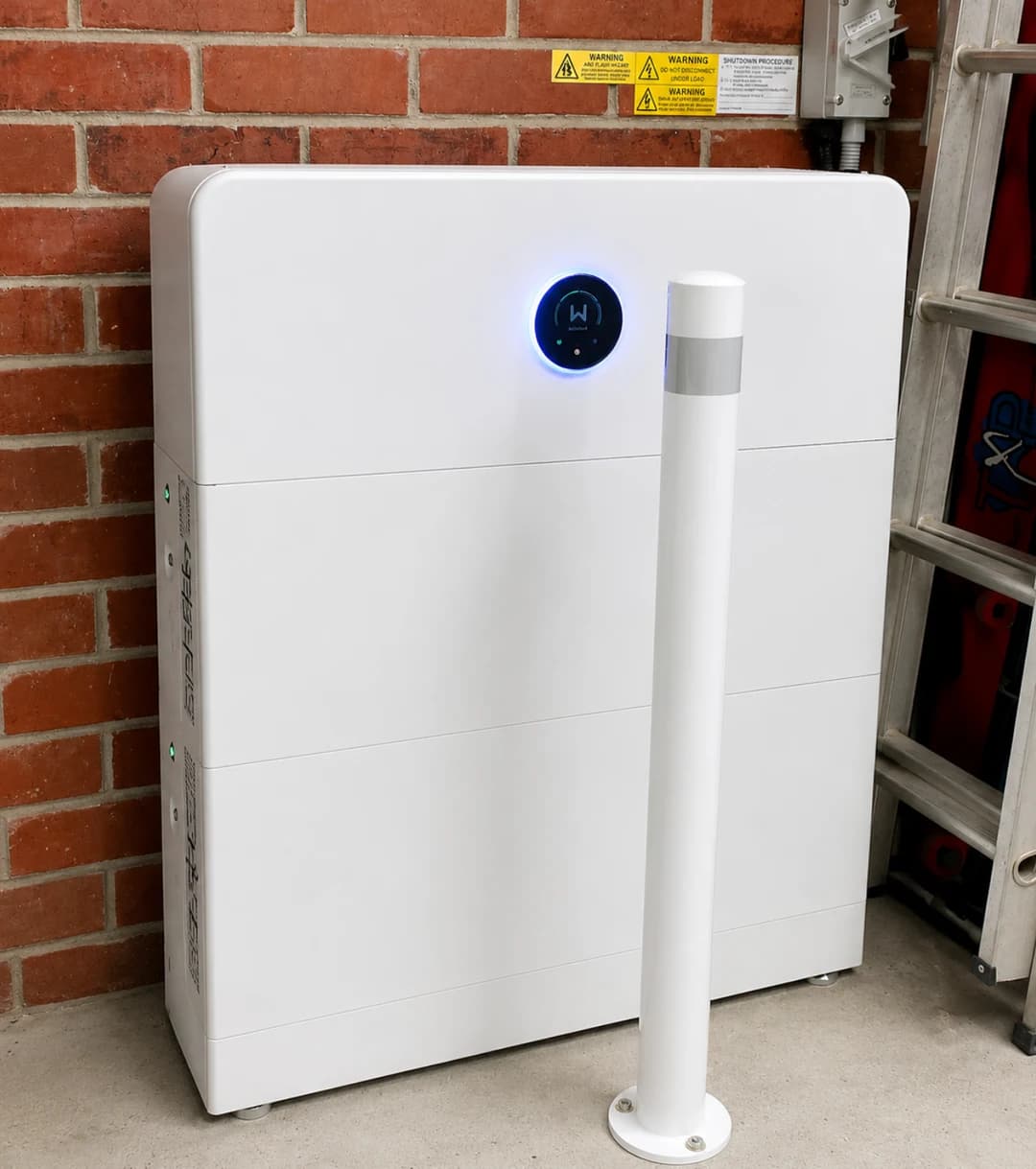
Batteries don’t increase solar production.
They change when you use the energy you already generate.
By storing daytime solar for evening use, batteries increase self‑consumption and reduce grid reliance. They can dramatically improve system performance but they’re not automatically the right choice for every household.
This is why blanket advice like “everyone should get a battery” deserves immediate suspicion.
Batteries make sense when the numbers and usage line up, not just because they exist.
What A Good Solar System Actually Looks Like
A good system isn’t just large, it’s aligned.
- The system size matches household usage
- Panels are placed to generate energy when it’s useful
- Consumption habits are considered
- Future upgrades are accounted for
When those pieces work together, the system performs where it counts – on the power bill.
The Takeaway: Stop Comparing kW And Start Understanding kWh
kW tells you how big the system is.
kWh tells you how much it’s actually worth to you.
Solar in 2026 still delivers real savings — but only when design, usage, and timing work together.
Get the kW right, sure.
But optimise for kWh.
That’s where the real value lives.
Speak With An Energy Specialist
If you’re considering solar or battery storage for your business, we’d be happy to assess your site and explain what options actually make sense for your home usage. Contact us at sales@readysetsolar.com.au or call 1300 209 244.
A question about your own home?
Let’s talk it through